Choosing the Right Carport Material for Cape Town's Coastal Climate
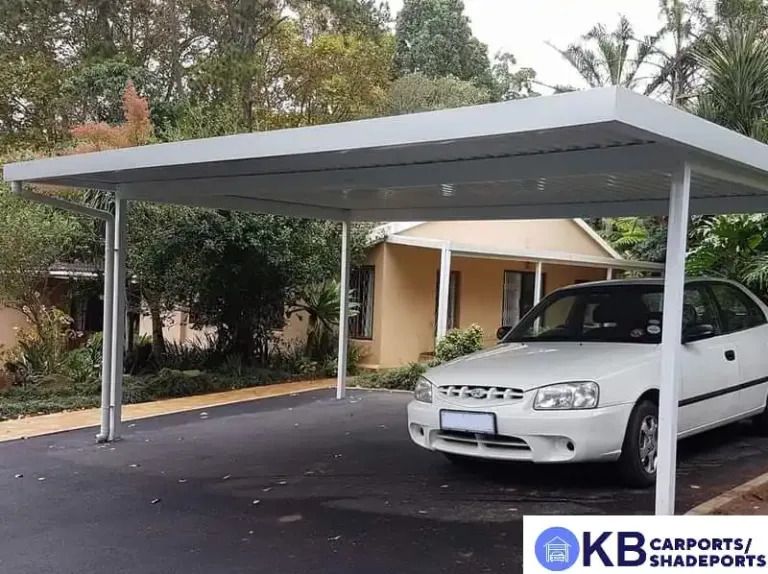
Living in Cape Town means dealing with unique environmental challenges—salt-laden air, high humidity, and notorious winds. Your carport material choice can mean the difference between decades of reliable protection and costly premature replacements.
Understanding Cape Town's Coastal Climate Challenges
Cape Town's coastal environment is particularly harsh on outdoor structures. The combination of salt spray from the Atlantic Ocean, high humidity levels, and intense UV radiation creates a perfect storm for material degradation.
The Salt Air Problem
Properties within 5km of the coastline—including areas like Sea Point, Camps Bay, Muizenberg, and Bloubergstrand—face accelerated corrosion rates. Salt particles in the air act as an electrolyte, speeding up the oxidation process on metal surfaces by up to 400% compared to inland areas.
💡 Did You Know?
Standard galvanized steel that lasts 20+ years in Johannesburg may only survive 5-7 years in Sea Point without proper marine-grade treatment.
Marine-Grade Galvanized Steel: The Gold Standard
For Cape Town's coastal properties, hot-dip galvanized steel with marine-grade coating remains the most cost-effective long-term solution.
What Makes It Marine-Grade?
- Zinc coating thickness: Minimum 85 microns (vs. 45 microns for standard galvanizing)
- Hot-dip process: Complete immersion ensuring comprehensive coverage
- Chromate passivation: Additional protective layer against white rust
- Powder coating option: Extra barrier for extreme coastal exposure
Expected Lifespan by Location
| Area Type | Distance from Coast | Expected Lifespan |
|---|---|---|
| Extreme Coastal | 0-1km | 20-25 years |
| Coastal | 1-5km | 25-30 years |
| Near Coastal | 5-10km | 30-35 years |
| Inland | 10km+ | 35-40 years |
Cost: R900-R1,200 per linear meter for marine-grade frames (2025 pricing)
Aluminum: The Corrosion-Free Premium Option
For properties on the Atlantic Seaboard or directly on the beachfront, aluminum offers unmatched corrosion resistance.
Advantages of Aluminum Carports
- ✅ Zero rust: Naturally forms protective oxide layer
- ✅ Lightweight: 30% lighter than steel, reducing structural load
- ✅ Low maintenance: No painting or recoating required
- ✅ Aesthetic appeal: Modern, sleek appearance
- ✅ Longevity: 40-50+ years in coastal environments
Considerations
- ❌ Higher initial cost: 30-50% more expensive than galvanized steel
- ❌ Lower strength-to-weight: Requires larger cross-sections
- ❌ Galvanic corrosion: Must avoid direct contact with dissimilar metals
Cost: R1,400-R1,800 per linear meter (2025 pricing)
Best for: Clifton, Camps Bay, Llandudno, Blouberg beachfront properties
Wood: Not Recommended for Coastal Cape Town
While wooden carports have aesthetic appeal, they're poorly suited for Cape Town's coastal areas.
Why Wood Fails in Coastal Climates
- 🔴 Moisture absorption: High humidity causes constant expansion/contraction
- 🔴 Rot and decay: Accelerated by salt-laden air
- 🔴 Termite susceptibility: Common in Western Cape
- 🔴 High maintenance: Requires annual treatment and sealing
- 🔴 Short lifespan: 8-12 years even with treatment
⚠️ Expert Warning
We've replaced dozens of wooden carports in Sea Point and Hout Bay that failed within 5-7 years despite expensive marine-grade timber treatment. Wood is only viable for inland areas like Constantia or Durbanville with proper maintenance.
Roofing Material Selection
Your frame material is only half the equation. Roof material choice significantly impacts durability and performance.
Chromadek IBR Sheeting
Pre-painted galvanized steel with polyester coating.
- ✅ Cost-effective (R180-R250/m²)
- ✅ Multiple color options
- ✅ 15-20 year lifespan in coastal areas
- ✅ Good wind resistance
Polycarbonate Panels
UV-stabilized plastic panels offering light transmission.
- ✅ 99% UV blocking with light transmission
- ✅ Completely rust-free
- ✅ Impact resistant
- ✅ 20-25 year lifespan
- ❌ Higher cost (R300-R420/m²)
Recommended for: Properties wanting natural light without UV damage
HDPE Shade Netting
High-density polyethylene woven fabric.
- ✅ Most budget-friendly (R120-R180/m²)
- ✅ 80-90% UV protection
- ✅ Natural ventilation prevents heat buildup
- ❌ 15-20 year maximum lifespan
- ❌ No rain protection
Material Selection by Cape Town Area
Atlantic Seaboard (Sea Point, Camps Bay, Clifton)
Recommended: Marine-grade aluminum with polycarbonate or Chromadek roofing
Why: Extreme salt exposure requires maximum corrosion resistance
False Bay Coast (Muizenberg, Fish Hoek, Simon's Town)
Recommended: Marine-grade galvanized steel with powder coating
Why: Excellent protection at more affordable price point
City Bowl & Northern Suburbs (5-10km from coast)
Recommended: Standard marine-grade galvanized steel
Why: Sufficient protection without premium pricing
Inland Areas (Constantia, Durbanville, Stellenbosch)
Recommended: Standard galvanized steel, treated wood acceptable
Why: Reduced corrosion risk allows broader material choice
Wind Load Considerations
Cape Town's south-easter winds regularly exceed 60km/h, with gusts reaching 120km/h+. Material choice must account for structural integrity under wind loading.
Engineering Requirements
- Wind rating: Minimum 120km/h, 150km/h+ for coastal areas
- Frame thickness: 3mm minimum for steel, 4mm for aluminum
- Foundation depth: 600mm minimum in coastal sandy soils
- SANS 10160 compliance: Mandatory for structural certification
Learn more about wind-rated engineering solutions.
Cost vs. Value Analysis
20-Year Total Cost of Ownership (Double Carport, 6x6m)
| Material | Initial Cost | Maintenance (20yr) | Replacement | Total Cost |
|---|---|---|---|---|
| Marine Aluminum | R68,000 | R2,000 | R0 | R70,000 |
| Marine Galv. Steel | R48,000 | R8,000 | R0 | R56,000 |
| Standard Galv. (Coastal) | R38,000 | R12,000 | R38,000 | R88,000 |
| Treated Wood | R42,000 | R24,000 | R42,000 | R108,000 |
Key insight: Marine-grade materials cost more initially but deliver superior long-term value in coastal Cape Town.
Maintenance Requirements by Material
Marine-Grade Galvanized Steel
- Annual: Freshwater rinse to remove salt buildup
- Every 2 years: Inspection for coating damage
- Every 5 years: Touch-up painting if powder coated
- Cost: R200-R400 per year
Aluminum
- Annual: Soap and water cleaning
- Every 3 years: Fastener inspection
- Cost: R100-R200 per year
Wood (Not Recommended Coastal)
- Annual: Complete treatment and sealing
- Every 2 years: Structural inspection
- Every 3-5 years: Sanding and refinishing
- Cost: R1,200-R2,000 per year
Need Expert Material Advice?
Our team has installed over 1,200 carports across Cape Town's diverse microclimates. We'll assess your specific location and recommend the optimal material solution.
Get Free Site AssessmentCertifications & Standards
Ensure your chosen material meets these South African standards:
- SANS 121: Hot-dip galvanizing specification
- SANS 1200 DB: Aluminum extrusions
- SANS 10160: Structural loading (wind, dead load)
- SANS 10400: Building regulations compliance
Read our complete guide on SANS 10400 compliance requirements.
Environmental Considerations
Sustainability Comparison
- Steel: 100% recyclable, high recycled content available
- Aluminum: 100% recyclable, retains properties indefinitely
- Wood: Renewable but requires chemical treatment
- Polycarbonate: Limited recycling options
Final Recommendations
Best Overall Value (Coastal Areas)
Marine-grade hot-dip galvanized steel with powder coating + Chromadek IBR roofing
- Balances cost and durability
- 25-30 year lifespan
- Proven track record in Cape Town
- R45,000-R65,000 for double carport
Best Premium Option (Beachfront Properties)
Marine-grade aluminum with polycarbonate roofing
- Maximum corrosion resistance
- 40-50+ year lifespan
- Minimal maintenance
- R65,000-R85,000 for double carport
Best Budget Option (5km+ from Coast)
Standard hot-dip galvanized steel with HDPE shade netting
- Adequate protection inland
- 20-25 year lifespan
- Good value proposition
- R28,000-R42,000 for double carport
Common Mistakes to Avoid
- Choosing standard galvanizing for coastal properties - Will fail prematurely
- Mixing dissimilar metals - Causes galvanic corrosion
- Skipping marine-grade in False Bay - Salt exposure is severe
- Using wood near the coast - High maintenance, short lifespan
- Ignoring wind ratings - Structural failure risk
Conclusion
Selecting the right carport material for Cape Town's coastal climate requires balancing initial investment, longevity, maintenance costs, and environmental exposure. Properties within 5km of the coastline should prioritize marine-grade materials, while inland areas have more flexibility.
For most Cape Town homeowners, marine-grade galvanized steel offers the optimal combination of cost-effectiveness and durability. Beachfront properties benefit from aluminum's superior corrosion resistance, while inland areas can consider standard galvanizing or even treated wood.
Whatever your location, ensure your carport is engineered for Cape Town's wind loads and complies with SANS 10400 building regulations.