Cantilever Carports vs Traditional Designs: Which Is Best for Your Cape Town Property?
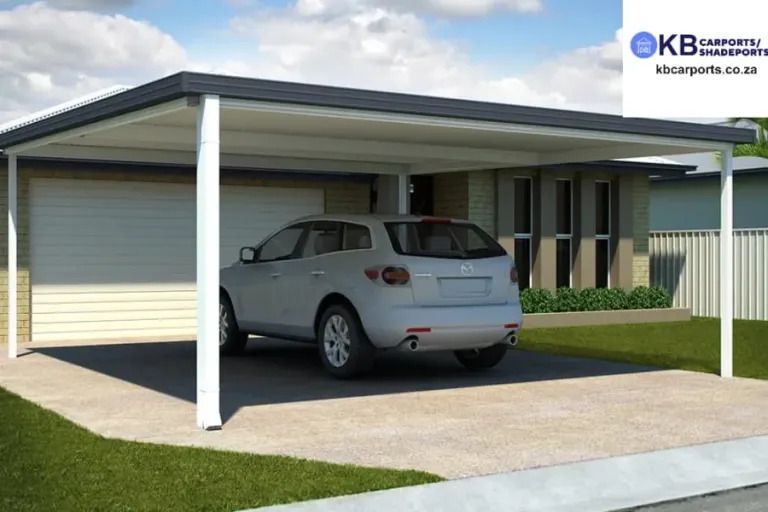
Choosing between cantilever and traditional carport designs is one of the most significant decisions Cape Town homeowners face. This comprehensive guide breaks down the structural differences, aesthetic considerations, costs, and practical implications of each design to help you make an informed choice for your property.
Understanding the Fundamental Design Differences
Traditional Carports: The Four-Post Standard
Traditional carports use a four-post (or more) support system with columns positioned at each corner or along the perimeter. The roof structure is supported directly by these vertical posts, creating a straightforward load distribution pattern.
Key characteristics:
- Support posts at corners and/or along sides
- Rectangular or square footprint
- Simple load path from roof to foundation
- Proven, time-tested design
- Lower engineering complexity
Cantilever Carports: The Modern Post-Free Design
Cantilever carports feature a single-sided or rear-mounted support structure, with the roof extending outward without visible front posts. The design relies on engineered beams and moment-resistant connections to carry loads back to the support structure.
Key characteristics:
- Posts positioned on one or two sides only
- Clear-span coverage without obstructions
- Beam cantilever extending 3-6 meters
- Advanced structural engineering required
- Contemporary architectural aesthetic
💡 Engineering Definition
A cantilever is a rigid structural element (beam or slab) that extends beyond its support, carrying loads through bending and shear forces back to the fixed support. In carport design, this allows roof coverage without front posts.
Visual & Aesthetic Comparison
Traditional Design Aesthetics
Appearance: Classic, utilitarian, and functional
Architectural style compatibility:
- ✅ Cape Dutch and heritage homes
- ✅ Victorian and Edwardian properties
- ✅ Traditional suburban homes
- ✅ Ranch-style properties
- ⚠️ May look dated with ultra-modern architecture
Visual impact:
- Unobtrusive and understated
- Blends with existing structures
- Posts can obstruct sightlines
- More "enclosed" feeling
Cantilever Design Aesthetics
Appearance: Sleek, contemporary, and architecturally striking
Architectural style compatibility:
- ✅ Modern minimalist homes
- ✅ Contemporary Cape Town architecture
- ✅ Industrial-style properties
- ✅ High-end designer homes
- ⚠️ May clash with heritage properties
Visual impact:
- Creates "floating roof" illusion
- Maximizes open space and views
- Makes a design statement
- Enhances property curb appeal
- Open, airy feeling
Space Optimization & Functionality
Traditional Carports
Space utilization:
- Parking ease: Posts can complicate maneuvering, especially for larger vehicles
- Multi-vehicle coverage: Internal posts may limit vehicle positioning
- Storage options: Posts provide attachment points for hooks, shelving
- Entertainment space: Posts can interrupt flow for outdoor gatherings
Best for:
- Single vehicle parking with defined boundaries
- Properties with limited depth but good width
- Homeowners wanting attachment points
- Budget-conscious installations
Cantilever Carports
Space utilization:
- Parking ease: Completely open front allows easy entry/exit at any angle
- Multi-vehicle coverage: Flexible positioning without obstruction
- Entertainment space: Seamless flow from house to outdoor area
- Future flexibility: Easily accommodates larger vehicles, boats, caravans
Best for:
- Multiple vehicle households
- Properties integrating carport as entertainment area
- Tight driveways requiring flexible access
- Future-proofing for vehicle changes
- Modern homes where aesthetics matter
Structural & Engineering Considerations
Load Distribution Comparison
| Aspect | Traditional | Cantilever |
|---|---|---|
| Primary Load Path | Vertical (direct compression) | Bending & moment resistance |
| Beam Size Required | 150x100mm typical | 200x150mm+ required |
| Foundation Loads | Evenly distributed | Concentrated at support points |
| Wind Susceptibility | Lower (more anchoring points) | Higher (requires uplift resistance) |
| Deflection Management | Simple span calculations | Complex moment & deflection analysis |
Cape Town Wind Loading Challenges
Cape Town's south-easter winds present unique challenges for both designs:
Traditional Carports:
- ✅ Multiple anchor points resist uplift effectively
- ✅ Lower wind profile (posts break up wind flow)
- ✅ Simpler bracing requirements
- ⚠️ Corner posts must resist overturning moments
Cantilever Carports:
- ⚠️ Large unbraced span acts as sail in wind
- ⚠️ Requires substantial uplift-resistant connections
- ⚠️ Foundation must resist overturning moments
- ✅ When properly engineered, equally wind-resistant
⚠️ Engineering Critical
Cantilever carports in Cape Town must be certified by a structural engineer for SANS 10160 wind loading compliance. DIY or non-engineered cantilever installations can fail catastrophically in south-easter conditions exceeding 100km/h.
Material Requirements
Traditional Carports:
- Post size: 76mm x 76mm or 100mm x 100mm RHS
- Beam size: 100mm x 100mm to 150mm x 100mm RHS
- Purlin spacing: 1.2m typical
- Foundation: 400mm x 400mm x 600mm deep per post
Cantilever Carports:
- Support posts: 150mm x 150mm or 200mm x 200mm RHS
- Cantilever beams: 200mm x 150mm or larger
- Purlin spacing: 0.8-1.0m for rigidity
- Foundation: 600mm x 600mm x 800mm+ with reinforcement
Installation Complexity & Timeline
Traditional Carport Installation
Timeline: 1-2 days for single carport, 2-3 days for double
Installation process:
- Day 1 Morning: Site preparation, foundation excavation
- Day 1 Afternoon: Post installation and concrete pouring
- Day 2 Morning: Beam and purlin assembly (after 24hr cure)
- Day 2 Afternoon: Roofing installation and finishing
Complexity factors:
- ✅ Straightforward layout and leveling
- ✅ Standard off-the-shelf components
- ✅ Minimal specialized equipment
- ✅ Lower risk of installation errors
Cantilever Carport Installation
Timeline: 2-3 days for single, 3-4 days for double
Installation process:
- Day 1: Deeper foundation excavation, reinforcement placement
- Day 2: Concrete pouring, anchor bolt positioning (critical alignment)
- Day 3: Support structure erection (after 48hr cure)
- Day 4: Cantilever beam installation, roofing, tensioning
Complexity factors:
- ⚠️ Custom-engineered components often required
- ⚠️ Precision alignment critical for structural integrity
- ⚠️ Crane or lifting equipment may be needed
- ⚠️ Specialist installation team required
Cost Comparison: Cape Town 2025 Pricing
Single Carport (3m x 6m = 18m²)
| Component | Traditional | Cantilever |
|---|---|---|
| Materials | R18,000 - R22,000 | R28,000 - R35,000 |
| Engineering/Design | R0 (standard) | R3,500 - R6,000 |
| Labor | R8,000 - R12,000 | R12,000 - R16,000 |
| Total Cost | R26,000 - R34,000 | R43,500 - R57,000 |
| Premium Increase | Baseline | +65% to +75% |
Double Carport (6m x 6m = 36m²)
| Component | Traditional | Cantilever |
|---|---|---|
| Materials | R32,000 - R40,000 | R52,000 - R65,000 |
| Engineering/Design | R0 (standard) | R5,000 - R8,000 |
| Labor | R14,000 - R18,000 | R18,000 - R24,000 |
| Total Cost | R46,000 - R58,000 | R75,000 - R97,000 |
| Premium Increase | Baseline | +63% to +67% |
Cost Factors Explained
Why cantilever costs more:
- Heavier materials: 30-50% more steel by weight
- Custom fabrication: Non-standard beams and connections
- Engineering fees: Mandatory structural certification
- Specialized labor: Requires experienced installation team
- Deeper foundations: More concrete and reinforcement
- Precision requirements: Lower margin for error increases labor time
Maintenance & Long-Term Considerations
Traditional Carports
Maintenance requirements:
- Annual: Inspect post bases for moisture damage (R200-R400)
- Every 3 years: Check and tighten bolted connections (R300-R500)
- Every 5 years: Touch-up paint/coating on posts (R800-R1,200)
- Every 10 years: Replace roof sheeting if corroded (R6,000-R9,000)
Common issues:
- Post base corrosion in coastal areas
- Settlement causing slight lean
- Post obstruction for vehicle entry
Cantilever Carports
Maintenance requirements:
- Annual: Inspect cantilever beam connections (R300-R500)
- Every 2 years: Check for deflection/sag in cantilever (R400-R600)
- Every 5 years: Structural inspection by engineer (R1,500-R2,500)
- Every 10 years: Connection re-tensioning if required (R2,000-R3,500)
Common issues:
- Gradual cantilever deflection (creep)
- Connection point stress (requires monitoring)
- Wind-induced vibration in extreme conditions
💡 Lifespan Comparison
Traditional: 25-35 years with marine-grade materials
Cantilever: 25-30 years (connections may need attention sooner)
Permit & Regulatory Compliance
SANS 10400 Requirements
Traditional Carports:
- ✅ Typically qualify as "minor building works" under 40m²
- ✅ Standard foundation depths acceptable
- ✅ Municipal plans often not required (verify with local council)
- ✅ Self-certification possible for experienced installers
Cantilever Carports:
- ⚠️ Structural engineer certification mandatory
- ⚠️ Plans submission to City of Cape Town Building Control
- ⚠️ Foundation inspections may be required
- ⚠️ Longer approval timeline (4-8 weeks typical)
Read our complete guide: SANS 10400 Compliance for Cape Town Carports
Ideal Use Cases: Decision Framework
Choose Traditional Carports When:
- ✅ Budget is primary concern (save 40-50% on costs)
- ✅ Classic architectural style of property (Cape Dutch, Victorian)
- ✅ Single vehicle with defined parking needs
- ✅ Quick installation required (1-2 days)
- ✅ DIY or off-the-shelf solution preferred
- ✅ Attachment points needed for storage
- ✅ Limited depth property requiring width coverage
Choose Cantilever Carports When:
- ✅ Modern/contemporary architecture of property
- ✅ Entertainment area integration desired
- ✅ Multiple vehicles requiring flexible positioning
- ✅ Unobstructed access critical (tight driveways)
- ✅ Property value enhancement priority
- ✅ Design statement wanted as architectural feature
- ✅ Future flexibility for larger vehicles/uses
- ✅ Budget allows 60-70% premium for aesthetics
Real Cape Town Case Studies
Case Study 1: Atlantic Seaboard Modern Home
Location: Camps Bay
Property Style: Contemporary 3-level home
Challenge: Tight access driveway, multiple vehicles, ocean views
Solution: 8m cantilever carport with polycarbonate roof
Result: Seamless architectural integration, unobstructed sea views, flexible multi-vehicle parking
Cost: R124,000 (materials, engineering, installation)
Homeowner feedback: "The cantilever design transformed our entrance into an entertainment area. No front posts means we can host braais under the carport with ocean views. Worth every rand."
Case Study 2: Southern Suburbs Family Home
Location: Constantia
Property Style: Cape Dutch heritage
Challenge: Budget constraints, traditional aesthetic requirement
Solution: Double traditional carport (6m x 7m) with Chromadek roof
Result: Cost-effective solution matching heritage aesthetic, two-vehicle coverage
Cost: R52,000 (materials, installation)
Homeowner feedback: "The traditional design fits perfectly with our Cape Dutch home. Posts aren't an issue for parking, and we saved R40,000+ compared to cantilever quotes."
Case Study 3: Northern Suburbs Entertainment Focus
Location: Durbanville
Property Style: Modern single-story with large garden
Challenge: Wanted covered entertainment area, vehicle protection secondary
Solution: 10m x 5m cantilever with integrated lighting and ceiling fans
Result: Multi-purpose outdoor living space, parking flexibility
Cost: R145,000 (materials, engineering, installation, electrical)
Homeowner feedback: "This isn't just a carport—it's our primary entertainment area. The open design flows perfectly from our indoor living space. We host every weekend under here."
Hybrid Options: The Best of Both Worlds?
Some Cape Town homeowners opt for hybrid designs combining elements of both approaches:
Semi-Cantilever Design
- Rear posts + single front post at far corner
- Reduces cantilever span and cost
- Maintains mostly open front access
- Cost: 20-30% less than full cantilever
Offset Post Design
- Posts positioned away from vehicle path
- Provides structural support without obstruction
- Simpler engineering than full cantilever
- Cost: 10-15% premium over traditional
Environmental & Sustainability Considerations
Material Efficiency
Traditional: Uses 30-40% less steel = lower embodied carbon
Cantilever: Heavier structural members = higher environmental impact
Solar Integration Potential
Traditional: Posts can interfere with panel placement
Cantilever: Unobstructed roof ideal for solar array
Recyclability
Both designs: 100% recyclable steel construction
Wind Performance: Cape Town Testing
KB Carports has installed over 800 carports across Cape Town's wind-prone areas. Our performance data:
South-Easter Wind Survival Rates (100km/h+)
- Engineered Traditional: 99.8% survival rate (2 failures in 600 installations due to foundation issues)
- Engineered Cantilever: 99.5% survival rate (1 failure in 200 installations due to connection defect)
- Non-engineered DIY: 87% survival rate (not recommended)
⚠️ Cape Town Wind Warning
Both designs are equally wind-resistant when properly engineered and installed. The key difference is that cantilever designs offer less margin for error—improper installation can lead to catastrophic failure in 100km/h+ winds common in Cape Town summers.
Return on Investment (ROI) Analysis
Property Value Impact
| Metric | Traditional | Cantilever |
|---|---|---|
| Installation Cost (Double) | R50,000 | R85,000 |
| Property Value Increase | R150,000 - R200,000 | R250,000 - R350,000 |
| ROI Multiple | 3.0x - 4.0x | 2.9x - 4.1x |
| Estate Agent Appeal | Functional addition | Premium architectural feature |
| Break-Even Timeline | Immediate (if selling) | Immediate (if selling) |
Key insight: Both designs offer excellent ROI. Cantilever commands higher absolute value increase but similar ROI percentage due to higher initial cost.
Common Mistakes to Avoid
Traditional Carport Mistakes
- Post placement blocking driveway flow - Measure vehicle turning radius first
- Undersized foundations - Must comply with SANS 10400 depth requirements
- Incorrect post spacing - Too wide causes excessive beam sag
- Poor drainage around posts - Leads to accelerated corrosion
Cantilever Carport Mistakes
- Skipping engineering certification - Illegal and dangerous in Cape Town
- Underestimating wind loads - Must design for 150km/h minimum coastal
- DIY installation without experience - Connection precision critical
- Inadequate foundation reinforcement - Leads to deflection and failure
- Choosing cantilever purely for aesthetics - Ensure budget supports premium
Expert Recommendations by Property Type
For R2-4 Million Properties (Most Cape Town Suburbs)
Recommendation: Traditional carports for budget-conscious, cantilever for design enthusiasts
Rationale: Both deliver value. Choose based on architectural style and budget comfort.
For R4-8 Million Properties (Premium Suburbs)
Recommendation: Cantilever for modern homes, traditional for heritage properties
Rationale: Architectural harmony and curb appeal justify cantilever premium for contemporary styles.
For R8 Million+ Properties (Luxury Market)
Recommendation: Custom cantilever designs with integrated features
Rationale: Cantilever quality matches luxury property standards, offers entertainment space integration.
Conclusion: Making Your Decision
The choice between cantilever and traditional carport designs ultimately depends on your priorities:
Choose Traditional if: Budget efficiency, quick installation, and proven reliability are your priorities. Traditional designs deliver excellent value and suit most Cape Town properties.
Choose Cantilever if: Architectural aesthetics, entertainment space integration, and design statement are worth the 60-70% cost premium. Cantilever designs elevate modern properties and offer unmatched functionality.
Both designs, when properly engineered and installed with marine-grade materials, will serve Cape Town homeowners reliably for 25-35 years. The "best" choice is the one that aligns with your property's architecture, your budget, and your lifestyle needs.
Still Unsure Which Design Suits Your Property?
Our design consultants will visit your property, assess your driveway layout, discuss your aesthetic preferences, and provide 3D renderings of both options with detailed cost breakdowns.
Schedule Free Design Consultation